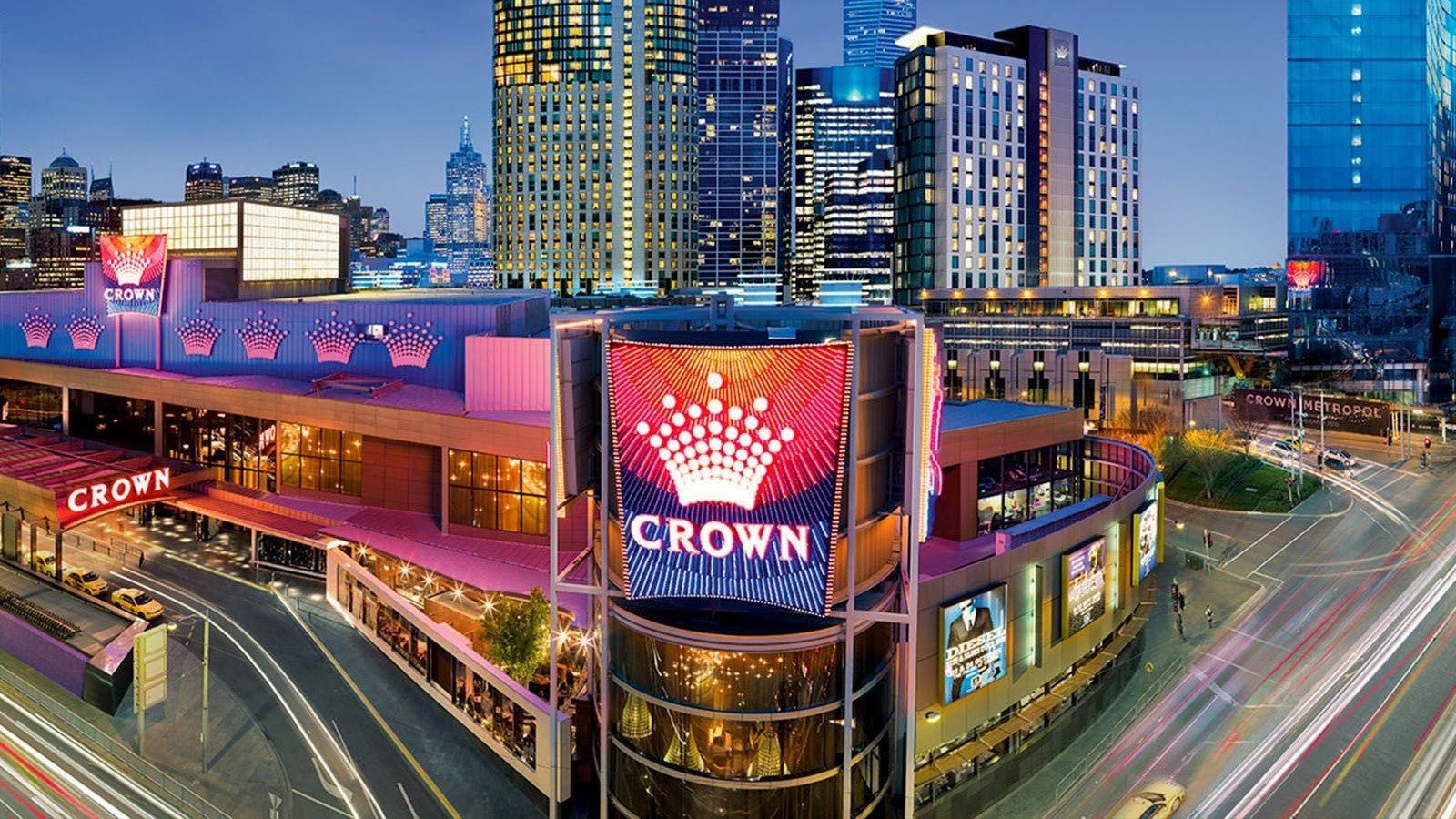
In today’s interconnected world, casinos operating internationally have become a significant part of the global entertainment industry. The allure of these establishments is not only in the games they offer but also in their cultural impact and economic contributions across various regions. As we delve deeper into the subject, we will explore the reasons behind the rise of international casinos, the regulatory challenges they face, and their future in a rapidly changing landscape.
3.jpg)
The Growth of International Casinos
The past few decades have seen an unprecedented rise in the number of casinos operating outside their home countries. Factors such as globalization, the advent of online gambling, and relaxed regulations have contributed to this trend. In regions like Asia, the Caribbean, and parts of Europe, countries are leveraging the potential of international casinos to boost tourism and stimulate their economies.
One significant player in the international casino scene is Macau, often referred to as the gambling capital of the world. With its luxurious resorts and a plethora of gaming options, Macau has attracted millions of visitors from around the globe. The city’s success has inspired other nations to consider developing their own casino industries, leading to a competitive global landscape.
Regulatory Frameworks: A Double-Edged Sword
While the emergence of international casinos presents ample opportunities, it also brings forth a host of regulatory challenges. Each country has its own set of laws governing gambling, which can create a complex environment for operations. International casinos must navigate these regulatory landscapes carefully to ensure compliance and avoid legal pitfalls.
Countries like Singapore have implemented strict licensing processes and regulations to manage their casino industries effectively. This approach has aimed not only at maximizing revenue but also at minimizing social issues associated with gambling, such as addiction and crime. Conversely, in some regions, lax regulations can lead to issues ranging from money laundering to the exploitation of vulnerable populations.
The Influence of Technology
The technological revolution has also significantly influenced the operations of international casinos. The rise of online gambling platforms has transformed the traditional casino model, allowing players to enjoy their favorite games from the comfort of their homes. This shift has compelled physical casinos to adapt by investing in new technologies and offering online services to remain competitive.
Moreover, innovations such as blockchain technology and virtual realit
y (VR) have the potential to reshape the future of international casinos. Blockchain could enhance security and transparency, while VR could provide immersive gaming experiences that attract a new generation of players.
The Social and Economic Impact
Casinos operating internationally can have profound social and economic impacts on host countries. They often create jobs, stimulate local businesses, and contribute to government revenues through taxes. In some regions, the influx of tourists to these casinos can also lead to the development of infrastructure and services that benefit the wider community.
However, it is essential to acknowledge the potential downsides. Increased gambling opportunities can lead to rising addiction rates and other social problems. Therefore, governments must strike a balance between harnessing the economic benefits while implementing effective measures to mitigate negative consequences.
Challenges in a Changing Environment
The landscape for international casinos continues to evolve, presenting both challenges and opportunities. Issues such as global economic downturns, changing consumer preferences, and the impact of the COVID-19 pandemic have forced operators to rethink their strategies. Casinos that once relied heavily on physical attendance are now exploring innovative ways to engage customers, including enhanced online experiences and promotional events.
Additionally, environmental concerns are becoming increasingly important for international casinos. As awareness grows regarding sustainability and ethical practices, many casinos are beginning to implement green initiatives to reduce their carbon footprint and promote responsible gaming.
Future Outlook
The future of international casinos seems to hold even more potential as the industry continues to adapt to changing technologies and consumer demands. As virtual and augmented reality evolve, casinos may offer completely new experiences that blend the physical and digital worlds. Furthermore, the globalization of gambling could lead to increased cooperation among nations, as they seek to establish common standards and regulations that promote safe and fair gaming practices.
Ultimately, the trajectory of casinos operating internationally will depend on their ability to navigate the complexities of the global market. As they evolve, they must remain cognizant of their social responsibilities while seizing opportunities for growth and innovation.
Conclusion
In conclusion, the rise of casinos operating internationally has reshaped the gambling landscape, bringing forth a mix of opportunities and challenges. As these establishments continue to grow and adapt, their influence will undoubtedly expand, impacting economies and cultures across the globe. By focusing on responsible gaming practices and leveraging technology, international casinos can play a significant role in fostering sustainable growth in the industry. The future of this sector is bright, yet it requires a careful balancing act to ensure that the benefits are enjoyed without overlooking the associated risks.