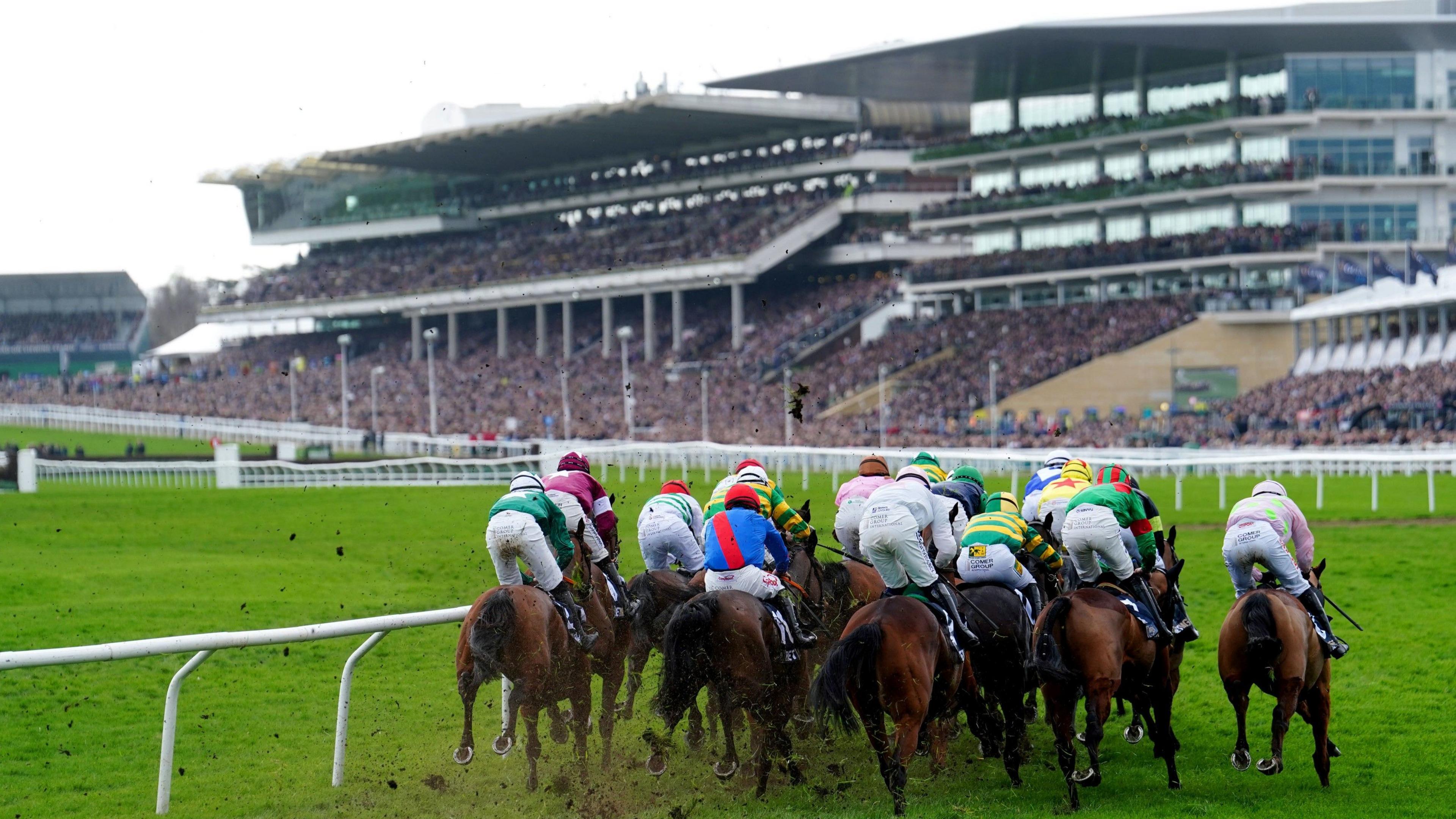
Horse racing is often seen as the quintessential British pastime, embodying a rich history and culture that stretches back centuries. While high-profile races like the Grand National and the Derby garner significant media attention, there exists a vibrant yet often overlooked segment of the UK horse racing industry. In this article, we will delve into the lesser-known aspects of UK horse racing, shedding light on events that may not be on everyone’s radar. Additionally, we will discuss the important role of organizations like UK horse racing not on GamStop Merseyside Mounted, which contribute to the community and the equestrian world.
The UK is filled with numerous local racing events that take place throughout the year, from the bustling tracks in rural areas to intimate gatherings in public parks. Many of these smaller races may not feature in major newspapers or on television, but they represent a grassroots commitment to preserving equestrian traditions. Local racing meets can often be found in places like Newbury and Hereford, where the atmosphere is as thrilling as the larger events, if not more so. These races often bring communities together, allowing local jockeys and horses to shine.
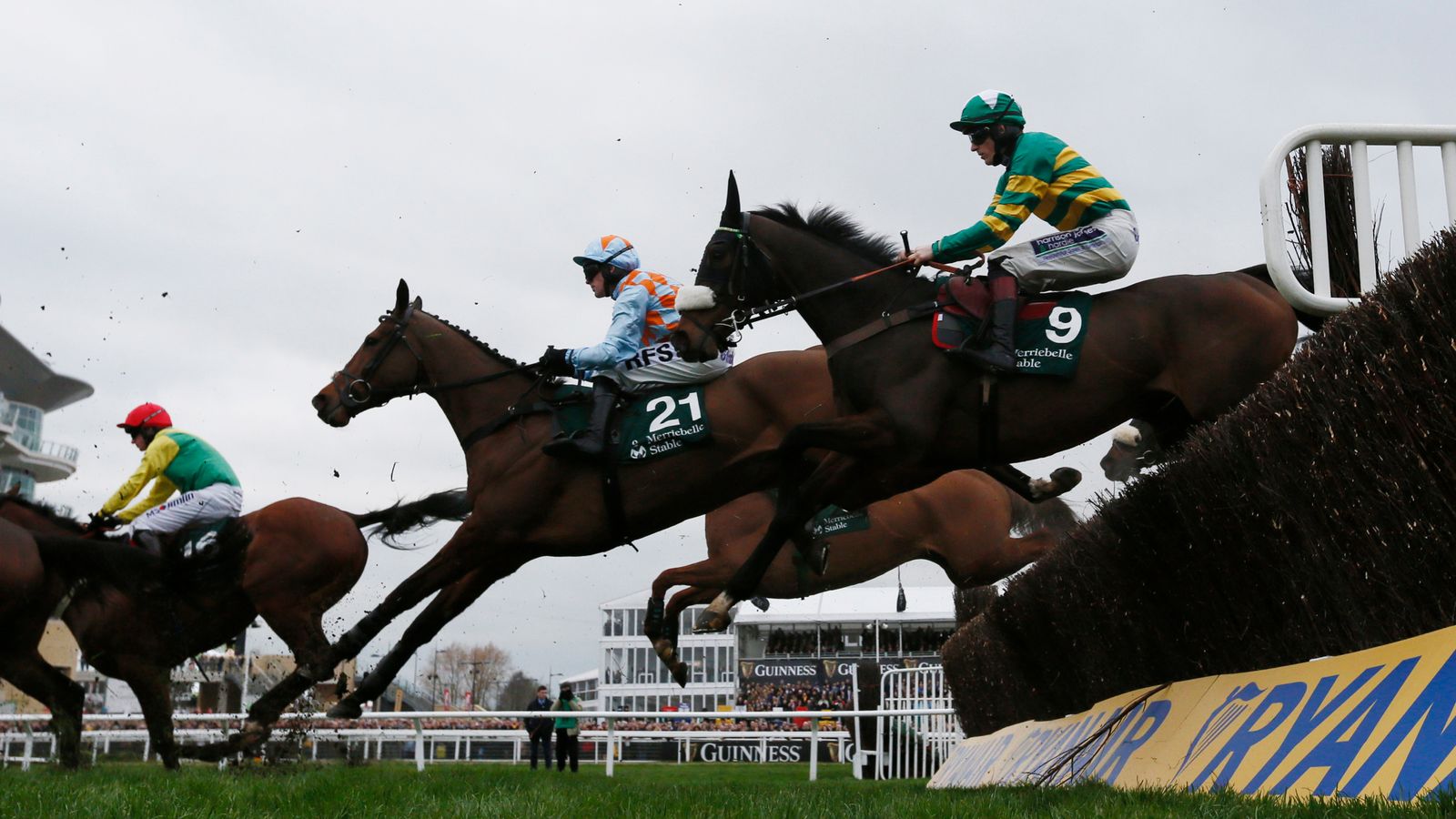
One of the most notable benefits of local horse racing events is their accessibility. Many of these races welcome all interested parties, from the seasoned punter to families just looking for a fun day out. Often, the ticket prices are significantly lower than at major tracks, providing an affordable day of entertainment that celebrates local talent. Spectators can enjoy close-up views of the horses, the excitement of mounting paddocks, and the chance to personally meet jockeys and trainers. This personal connection makes local events unique and unforgettable experiences.
In addition to traditional racing formats, there are also unique competitions that happen throughout the UK, including point-to-point events and hunter trials. Point-to-point races are a form of steeplechase where horses are typically trained by amateurs and raced in a competitive environment, often providing a launching pad for aspiring jockeys. These events emphasize camaraderie and community, showcasing the shared passion for horse racing that many local spectators and participants possess.
Despite being incredibly engaging, local horse racing faces its own set of challenges. With the influx of high-stakes betting and a focus on major races, smaller events often struggle to gain sponsorship and funding, leading to their decline. The support of local businesses and communities is crucial, and many racing clubs are working diligently to prioritize grassroots events while also adapting to modern trends. These efforts can help ensure that local racing remains a vibrant part of the equestrian landscape.
Moreover, the legal landscape surrounding horse racing in the UK is complex. Each event, whether major or minor, must comply with various regulations laid down by the British Horseracing Authority (BHA). These include rules around track safety, animal welfare, and jockey eligibility, ensuring that the racing remains fair and ethical. For local events, these regulations can sometimes pose additional challenges, but they also reinforce the commitment to maintaining high standards across all levels of horse racing in the UK.
As the horse racing community focuses on sustainability, some local events are integrating eco-friendly practices. From promoting local food vendors to using recycled materials in event setups, many racing clubs are becoming increasingly conscientious about their environmental impact. Initiatives like these not only enhance the experience for spectators but also attract a new generation of racing fans who value sustainability.
Besides regulations and funding, another significant player in the horse racing industry is training facilities. These establishments are crucial for preparing horses for both local and national races. In recent years, there has been a rise in the development of such training facilities across the UK, often filled with state-of-the-art technology that helps in conditioning horses for various competitions. These advancements also contribute to improving the overall quality of horse management—highlighting the importance of integrating modern techniques into traditional practices.
Cultural perceptions of horse racing also impact both major and local events. While some still view it merely as a sport for the elite, there is a growing acknowledgment of its widespread appeal and grassroots popularity. Organizations and clubs are working to reshape this narrative, fostering inclusivity within the sport and creating environments where anyone can enjoy and participate in horse racing, regardless of socioeconomic background. Such initiatives are essential for broadening the appeal of horse racing and ensuring its longevity.
Additionally, organizations like Merseyside Mounted play a pivotal role in community engagement through horse racing and other equestrian activities. Mounted police units not only help maintain public order during racing events but also act as ambassadors for equestrianism within their communities. Their presence enhances safety while educating the public about the responsibilities of horse care and training, and building connections between horses and humans. This relationship is instrumental in cultivating a new generation of equestrian enthusiasts, ensuring that the love for horses continues to thrive.
As we look towards the future of UK horse racing, it is crucial to recognize and support local events, fostering a balanced and enriched racing culture that celebrates its entire spectrum—from renowned horse racing events to intimate community races. By understanding and supporting these facets of horse racing, we can help preserve its rich traditions while also innovating for future generations.
In conclusion, while much of the spotlight is fixed upon prestigious races, it is the smaller, local events that often hold the true spirit of UK horse racing. They deserve equal recognition and support, serving as the gateway for many into the world of horse racing. The ongoing efforts to engage the community, comply with necessary regulations, and innovate within this realm are vital. We must motivate fans and newcomers alike to embrace the diversity of horse racing in the UK, expanding our horizons beyond the headlines to include the heart and soul of this beloved sport.