Understanding Horse Racing Odds Comparison
Horse racing is an exhilarating sport that combines the thrill of competition with the potential for lucrative betting opportunities. Horse Racing Odds Comparison https://rattlejournal.org.uk/ As any seasoned gambler will tell you, one of the most critical aspects of betting on horse races is understanding and comparing odds. This article will delve into the importance of odds comparison, how to evaluate different bookmakers, and the strategies you can employ to maximize your betting payouts.
What Are Horse Racing Odds?
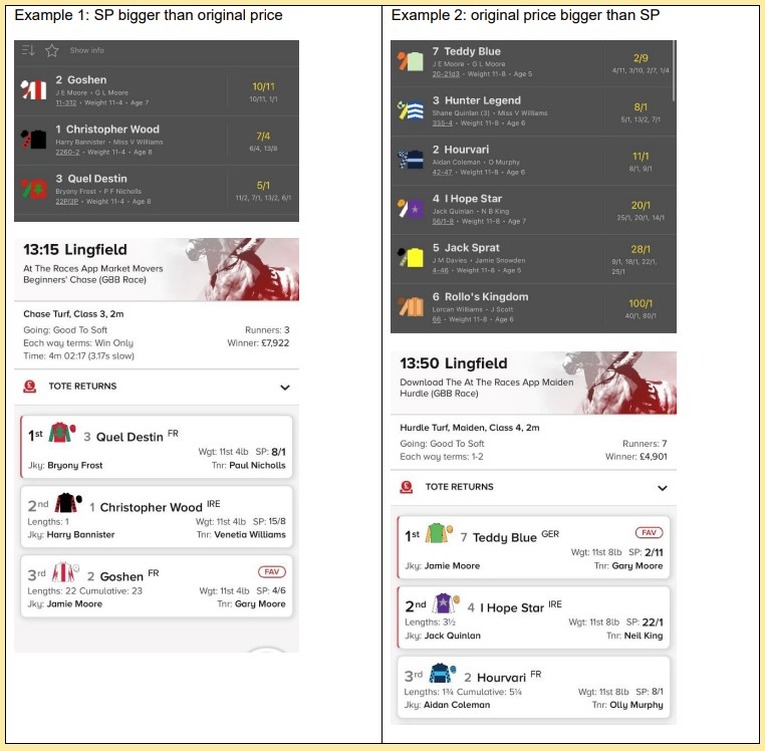
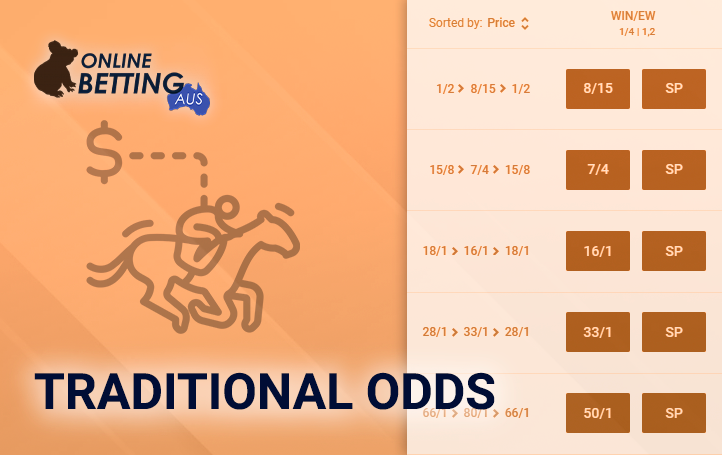
Horse racing odds represent the probability of a horse winning a race, and they directly influence how much money a bettor can win if their horse finishes first. When odds are displayed, they can either be fractional (e.g., 5/1), decimal (e.g., 6.0), or moneyline (e.g., +500). Each format has its own merits, but they all serve the same purpose: to give bettors insight into the horse’s chances of winning and the potential payout.
The Importance of Odds Comparison
In the world of horse racing, odds can vary significantly between different bookmakers. This disparity can be attributed to factors such as the bookmaker’s assessment of a horse’s performance, the amount of money wagered on each horse, and the time of the race. For this reason, comparing odds across multiple bookmakers is vital for bettors who wish to maximize their returns.
Why Compare Odds?
- Maximizing Payouts: By finding the best odds for a horse, bettors can significantly increase their potential winnings.
- Identifying Value Bets: If a horse has favorable odds compared to its real chances of winning, this could represent a betting opportunity.
- Understanding Market Movement: Monitoring how odds change can give insights into how the betting market perceives a horse’s chances.
How to Compare Horse Racing Odds
To effectively compare odds, bettors can utilize several strategies:
1. Use Odds Comparison Websites
In today’s digital age, numerous websites specialize in aggregating odds from multiple bookmakers in real-time. These platforms allow bettors to see at a glance which bookmaker offers the best odds for a specific horse. Popular sites often include filters for race types or geographic regions, making them convenient for users.
2. Sign Up for Multiple Bookmaker Accounts
Having accounts with multiple bookmakers allows bettors to switch between them quickly when placing bets. While it may take some time to set up, this strategy pays off by enabling quick access to the best odds without searching through each bookmaker individually.
3. Follow Expert Reviews and Tips
Many experienced bettors share insights and odds comparisons on forums and betting blogs. Engaging with these communities can provide valuable information on which bookmakers consistently offer competitive odds for certain types of races or events.
Factors Influencing Horse Racing Odds
Understanding what factors affect odds will help you make more informed betting decisions. Key influences include:
1. Horse Form
The recent performance of a horse, including its finishes in previous races and its physical condition, plays a huge role in determining its odds. Bettors should assess the horse’s form carefully as part of their evaluation.
2. Jockey and Trainer Reputation
A horse’s odds can also be influenced by the reputation and track record of its jockey and trainer. Experienced and high-performing individuals typically increase a horse’s chances of winning, thus affecting its odds.
3. Weather and Track Conditions
The weather conditions and the state of the racetrack can significantly impact a horse’s performance. Wet or muddy tracks may favor certain horses over others, which can lead to fluctuations in betting odds leading up to the race.
Betting Strategies for Racing Odds
Once you have gathered and compared the odds, it’s time to form your betting strategy. Here are several approaches you may consider:
1. Value Betting
Value betting involves identifying horses whose odds are higher than their probability of winning. By placing bets on such horses, you can ensure a longer-term profit even if they don’t win consistently.
2. Bet with a Bankroll Management Strategy
Managing your bankroll is essential to successful betting. Set aside a specific amount for betting, and stick to it. Allocate a certain percentage of your bankroll for each bet based on the odds and your confidence in the outcome.
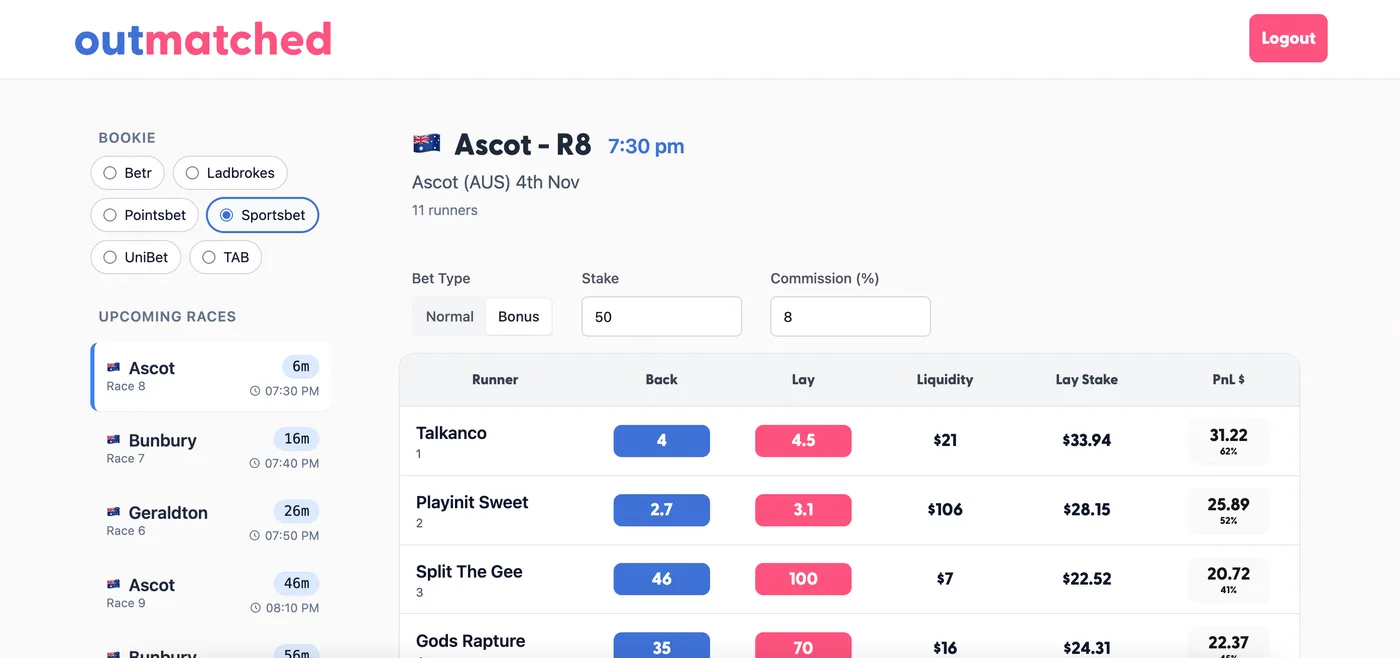
3. Bet Exchanges
Consider using betting exchanges where you can bet against other bettors rather than against a bookmaker. This allows for more flexible odds and may offer better returns compared to traditional bookmakers.
Conclusion
In horse racing, being able to effectively compare odds is a key skill for any bettor looking to maximize their returns and create a successful betting strategy. By utilizing odds comparison tools, understanding the factors that influence odds, and implementing a thoughtful betting strategy, you can place smarter bets that increase your chances of success.
Always remember that betting should be fun and approached responsibly. Stay informed, stay disciplined, and may your horse always cross the finish line in first place!